
(Business Desk, Reuters, Photo: ©Rainer Schönfeld)
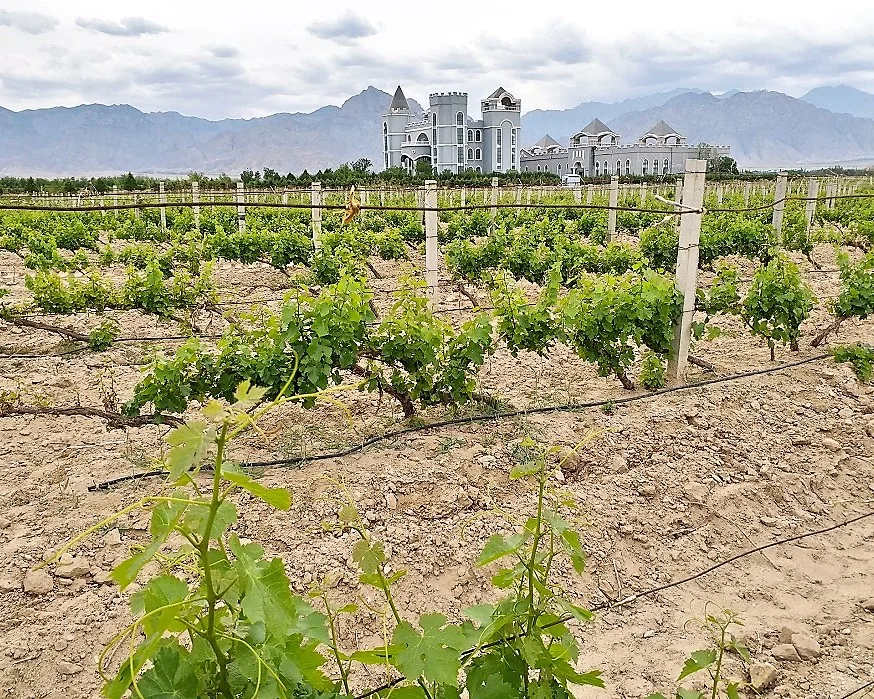
In China, glasses are emptying faster than anywhere else in the world. Where, ten years ago, Bordeaux flowed in torrents and even Napa Cabernets from the arch-enemy, the US, became status symbols, entire wine shelves now stand untouched. Wine consumption in China has more than halved since its peak about 8 years ago; imports have plummeted, and domestic production is at rock bottom. What was once celebrated as a triumphant march into and within the ‘Middle Kingdom’ has turned into a wasteland. The much-heralded future of wine in China has turned into one of the industry’s greatest illusions of recent decades.
Anyone who wants to understand why this is the case need only take a look at China today. The country is in the throes of a deep crisis that cannot be measured solely in terms of percentage points of economic growth. It is the younger generation that senses the gravity of the situation. Unemployment is in double figures, even among university graduates. A lack of prospects hangs like a leaden curtain over a society that for decades was programmed for upward mobility. In this climate, wine, the enjoyment of wine and wine culture seem like a foreign language: a luxury that no longer fits with reality.
The middle class, which had only just established itself, has begun to falter. The property crisis has undermined its foundations, and financial hardship is mounting. What wine once meant to many – a sense of belonging, prestige, an invitation to the global game of symbols – has suddenly become obsolete. Politics, too, has played its part. In the fight against corruption and excessive displays of wealth, the showmanship involving expensive bottles has been deliberately discredited. What remains are markets with overcapacity and wine companies sitting on millions in investment, unable to find buyers for their products.
It becomes particularly clear here that wine in China never made the leap to becoming an everyday drink. It remained a status symbol, never a habit. Unlike beer or baijiu, it was not anchored in the collective memory, but hung in the air like a dazzling foreign object. That is precisely why it is now experiencing such a radical slump. There is no tradition to sustain it, no culture to catch it when luxury is called into question. An article on the Chinese on-trade market reports that diners in restaurants hardly ever consult the wine lists any more and instead prefer to ‘buy outside and drink inside’ – that is, buying bottles from shops to drink at home rather than in wine bars or restaurants. This points to a decline in consumption in traditional dining venues, and to stagnating or falling takings in precisely those locations that once put wine in the spotlight. A report by Reuters also concludes that the market has shrunk significantly: consumer interest is waning, whilst importers and producers are complaining about crumbling demand.
The wine crisis in China is thus not merely industry news; it is a symbol of the breakdown of the grand promise of prosperity. For decades, the country thrived on the certainty that growth automatically meant more consumption, greater status and greater participation. Wine was the perfect symbol of this narrative: imported, expensive, with an aura of prestige. The fact that it is now gathering dust in cellars shows just how fragile this narrative has become.
In the West, people are discussing consumer restraint and health trends. In China, however, they are talking about a collapse. And this collapse tells us that prosperity cannot simply be sustained indefinitely. Wine, which was once regarded as a ticket to the global way of life, has become a symbol of disillusionment. If it disappears, so too will confidence in the grand dream of perpetual advancement.