
(Manfred Klimek – based on a report in *Der Standard* from Vienna)
It is a development the likes of which has probably not been seen in the wine-producing nation of Austria since 1985. Back then, the glycol scandal rocked the entire sector; the state intervened alongside industry associations, cleaned up, monitored and regulated in the most innovative way possible – successfully, as we all know. Forty years on, something remarkable is happening once again: a federal state is moving – albeit clumsily – towards market intervention. This time, not to save a system, but to save a brand. And, of all things, in the sparkling wine sector.
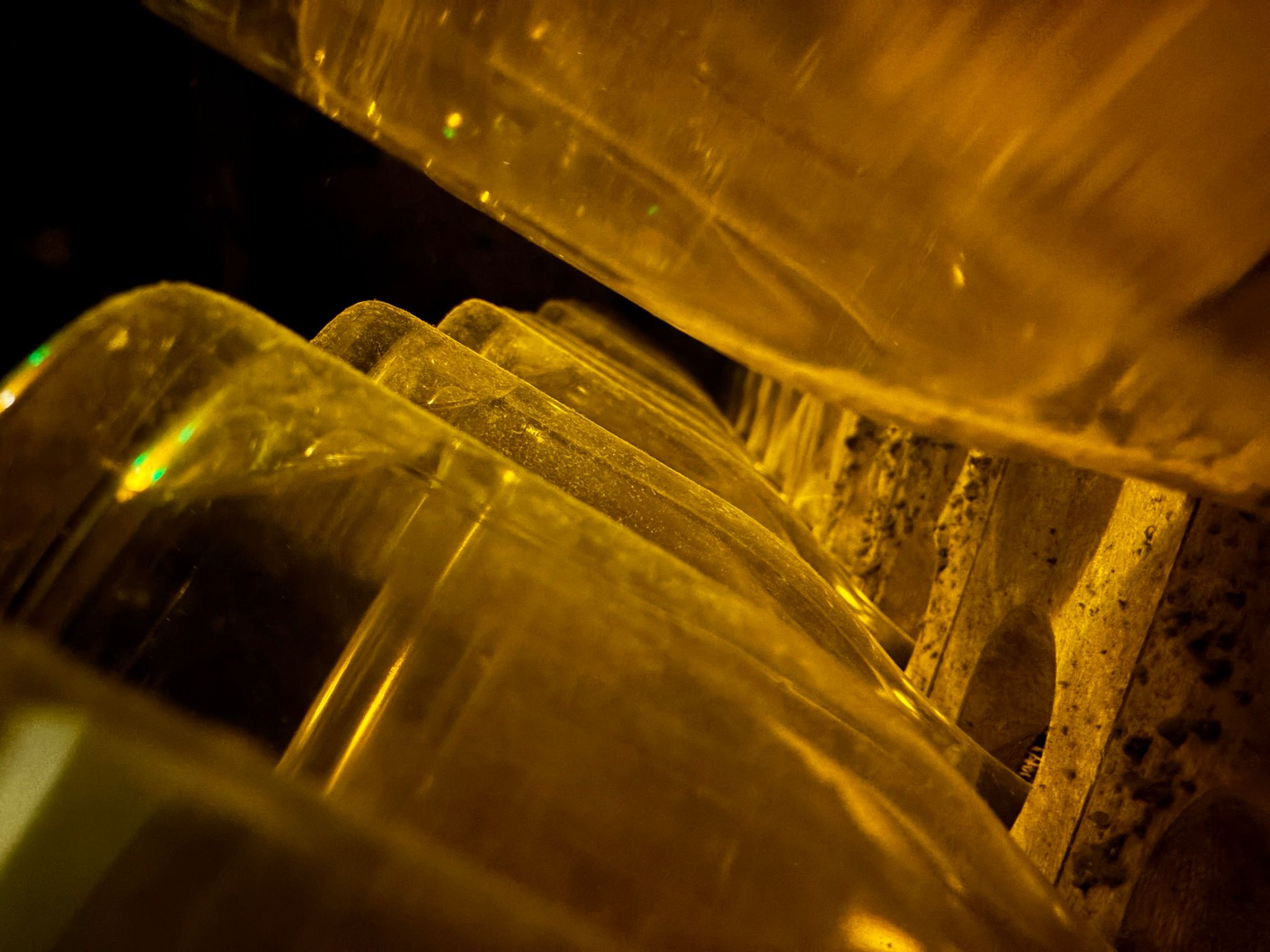
Der Standard reports matter-of-factly, almost in disbelief: the province of Burgenland has taken over and purchased 195,000 bottles of A-Nobis sparkling wine after former provincial councillor Daniela Winkler had manoeuvred the winery into financial difficulties through a partnership worth millions. “17,000 bottles have been sold so far,” the article states. That is, less than ten per cent. The rest is – and this is the word nobody dares to say out loud – just lying around. In warehouses, owned by the province, in a sort of political estate administration that has neither a plan nor a goal.
Put it this way: Burgenland is now, against its will, a sparkling wine wholesaler. And a rather poor one at that.
For what the article quietly touches upon is a problem familiar to every sparkling wine connoisseur: time is not always a friend. Champagne can become musty, take on an oxidative tinge, or drift aromatically into those lovely, murky corners that the British love so much. But these are exceptions – great winemakers, great base wines, great reserves.
With sparkling wine, on the other hand, deterioration is almost always the enemy. A stockpile of 178,000 bottles that nobody wants does not age gracefully. It loses its sparkle, its vibrancy, its fruitiness. It becomes flat. And even those who might buy it out of political solidarity are apparently not doing so.
The province of Burgenland wanted to salvage what had gone wrong. The result is a vivid example of why the state and the wine industry have a problematic relationship: there is a lack of expertise, a lack of tact, and a lack of market sense. A sparkling wine that doesn’t sell won’t sell even under public supervision. And – unlike infrastructure – the wine industry does not follow a political agenda.
However, the affair is remarkable for another reason: it reveals the vulnerability of the Austrian sparkling wine scene, which has reinvented itself over the last ten years, grown in quality and self-confidence – and is now seeing just how quickly symbolic political gestures can damage an entire category. For the producers, who have worked hard to build their image and profile, this state-inherited mountain of sparkling wine is not a marketing gimmick, but a burden.
What remains? A country hoarding sparkling wine. A story which – as *Der Standard* aptly puts it – exposes “a political and economic misunderstanding”. And an industry wondering whether this intervention marks the beginning of a new wine policy or is merely a blunder that will soon be forgotten.
One thing is certain: the bottles continue to age. And the longer they sit, the harder it will be to elegantly excuse this episode. Wine can forgive a great deal – the market, rarely so.