
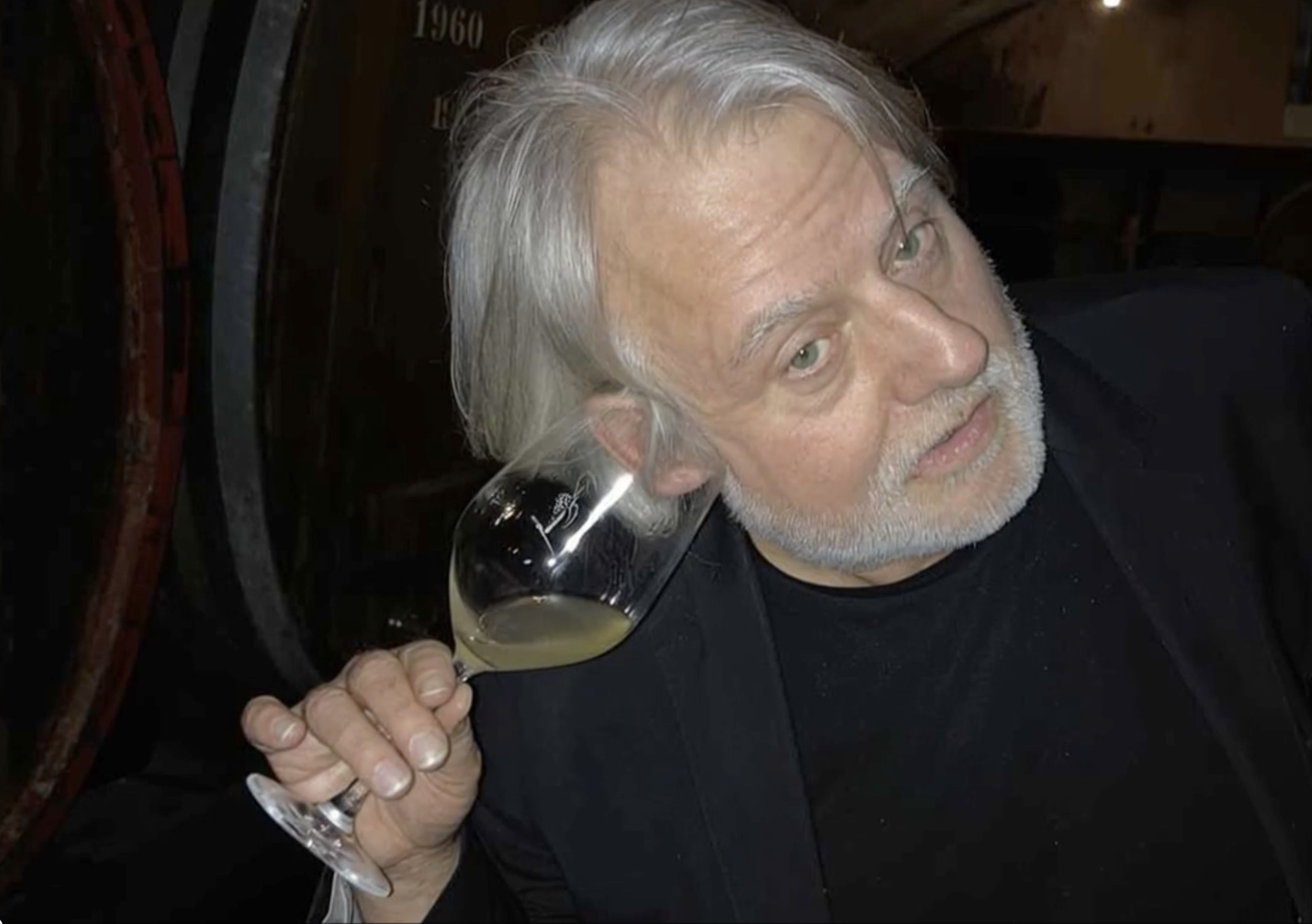
(Klimek & Auguste)
It begins with a sentence that many wine enthusiasts have unlearned: “A glass of white wine, please.” Not which vintage. Not which vineyard. Not which winemaker. No look at the wine list. No discussion about maturation, acidity, lees ageing or points. Simply a glass of white wine. A glass of summer.
For a week, that is exactly what I did in Vienna. At the same time, Claude Auguste did the same in Verona. We had decided to free wine from its own significance for a few days. No tasting. No analysing. No posting. Just drinking.
The remarkable thing began with the very first glass. It was good. Not great. Not spectacular. Not memorable. But good. The second was too. The third as well. In Vienna, the glasses usually held Grüner Veltliner or, occasionally, a Styrian Sauvignon. In Verona, Garganega, Pinot Grigio and other regional white wines took turns. None of these wines demanded attention. And that was precisely where the joy of those days lay.
Anyone who writes about wine professionally can easily lose sight of the obvious. Every bottle is analysed, categorised and assessed. People talk about origin, yields, whole-bunch fermentation, amphorae or biodynamics. At some point, wine exists almost exclusively as an object of contemplation. Yet for thousands of years, wine was something entirely different. Simply a drink. No more. And no less. Just a drink.
House wines and wines served by the glass tell this story in particular. They are rarely discussed, seldom assessed and almost never collected. Nevertheless, they are better today than ever before. Forty years ago, you could certainly have bad luck in many inns. Oxidised litre wines, unremarkable mass-produced wines or plain acidity often defined the picture. Today, that almost never happens. Technical progress in the cellar, better winemaker training and a generally higher quality standard have significantly raised the average. This changes wine more than many prestige cuvées ever could. For a country's true culture is not recognised by its icons. It is recognised by what has become commonplace. House wine is the true everyday reality of a wine-producing country.
That is precisely why this week was so relaxing. Suddenly, no wine had to prove anything. No glass was an event. It was not about great discoveries. Not about assessments. Not even about memories. You simply ordered another. A light tipsiness set in. Conversations grew longer. The food moved back into the spotlight. The wine did exactly what wine had done for centuries: it accompanied life instead of becoming the centre of attention itself.
For someone who writes about wine every day, this is almost a therapeutic experience. At some point, you begin to believe that every sip must be analysed. Every bottle must tell a story. Every tasting must produce insight.
It doesn't.
Sometimes, a properly chilled Grüner Veltliner in a Viennese tavern is enough. Or a simple white wine in a trattoria in Verona. They remind us that enjoyment does not necessarily demand attention. That quality does not always call for explanations. That wine works perfectly well even when nobody talks about it. Wine loses none of its dignity when we leave it alone for once. On the contrary. It regains the unselfconsciousness that made it a cultural drink in the first place.
Not every bottle has to evoke great feelings. Not every glass requires a tasting note. Sometimes it is enough for the publican to ask: “Another one?”
And you simply nod.