(Manfred Klimek)
Weekends that leave their mark. Both the way I wanted them to and not the way I wanted them to. Weekends that make it clear, even whilst they’re happening, that a bill will be presented at the end. Mine arrived on Monday. With a bang. But let’s start at the beginning – that is, at the end of the day before yesterday: Saturday, late in the evening, Berlin, a loose, slightly frayed constellation of two people in their early thirties – art scene, clever, alert, impatient – and me, 63, that is, at that age when the body still believes it is immortal, but has long since begun to silently write in the air the clauses that the mind used to like to ignore.
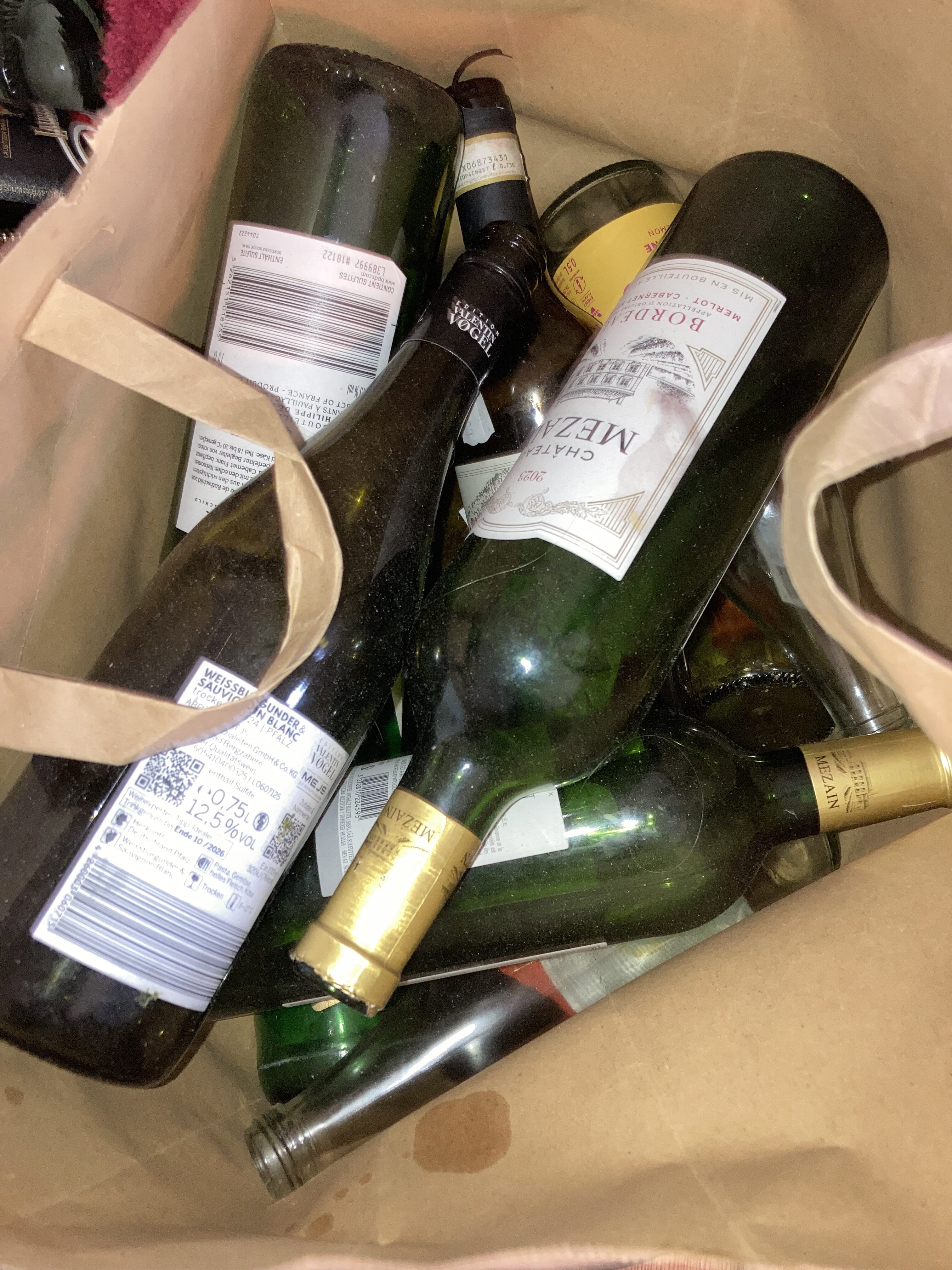
Intoxication, after all, has its own mathematical logic: I alone drank two bottles of a simple but excellent Bordeaux, a ‘replacement’ bottle of Rheinhessen Riesling – the sort of bottle that isn’t opened by design, but instinctively, when the conversation takes a detour towards truth (not to be confused with reality), and then three glasses of Japanese whisky: pleasant, elegant, but ultimately the point at which the evening decided to trip me up later on.
But that’s not the point. Or not just that. What matters is that rare sense of intellectual expansion that sometimes arises when three people spend 18 hours drinking their way through a shared topic without losing themselves. This sort of intoxication, whose alcohol content is low compared to the intellectual oxygen it releases. Conversations that do not aim for effect, but for the open, the unguarded. A sort of belated youth that occurs only where age and talent respect one another.
And yes: the proportion of such successful, intoxicating conversations out of the total number of alcohol-fuelled conversations held worldwide is marginal: a fraction of a fraction. But this weekend, it was real. For hours, the world was no bigger, but clearer: art, politics, a bit of gossip, ageing, bodies that no longer regenerate as reliably as they used to. The question of why certain ideas can only emerge after midnight – and why they then vanish so quickly. I made notes later, out of a mixture of self-preservation and gratitude. They’re surprisingly useful.
Of course, there was a price to pay. On Sunday evening, the first slump, the feeling that the world is suddenly lopsided. Then, on Monday, a total standstill: a body that refuses to cooperate. It is a bitter truth that creeps up on you with age over the years: Alcohol is no longer the catalyst it was at thirty. It’s a more toxic substance, one that lingers longer, makes the space feel more cramped, and brutally shortens the next day. A buzz that used to be a mist is now a torrent.
Was it worth it? For my health: probably not. For the other two and for me: absolutely. Because evenings like that have become rare. Because, when we’re sober, the world doesn’t always deliver the intensity we’re looking for. Because conversation, when it works, is a celebration – not for the body, but for the inner workings, for the mind that would otherwise have become too well-behaved.
Open today because we were closed yesterday – because of the day before yesterday: yes, I wasn’t fit for work. But I was alive. And sometimes, as every generation of ‘children of intoxication’ knows, you have to sacrifice a day to gain a world.