
(Manfred Klimek / pic: Isna / source: BBC)
It is often the smallest, most incidental reports that tell a bigger story. Amid headlines about power struggles in Tehran and analyses of Iran’s new, old leadership, this sentence appeared in a report that was rather concealed by the regime: alcohol, especially wine, is now increasingly being tolerated in restaurants in Iran’s cities. No law. No reform. No decree. Just a brief subordinate clause. And yet it could reveal more about the behaviour of the Shiite regime than many foreign-policy commentaries.
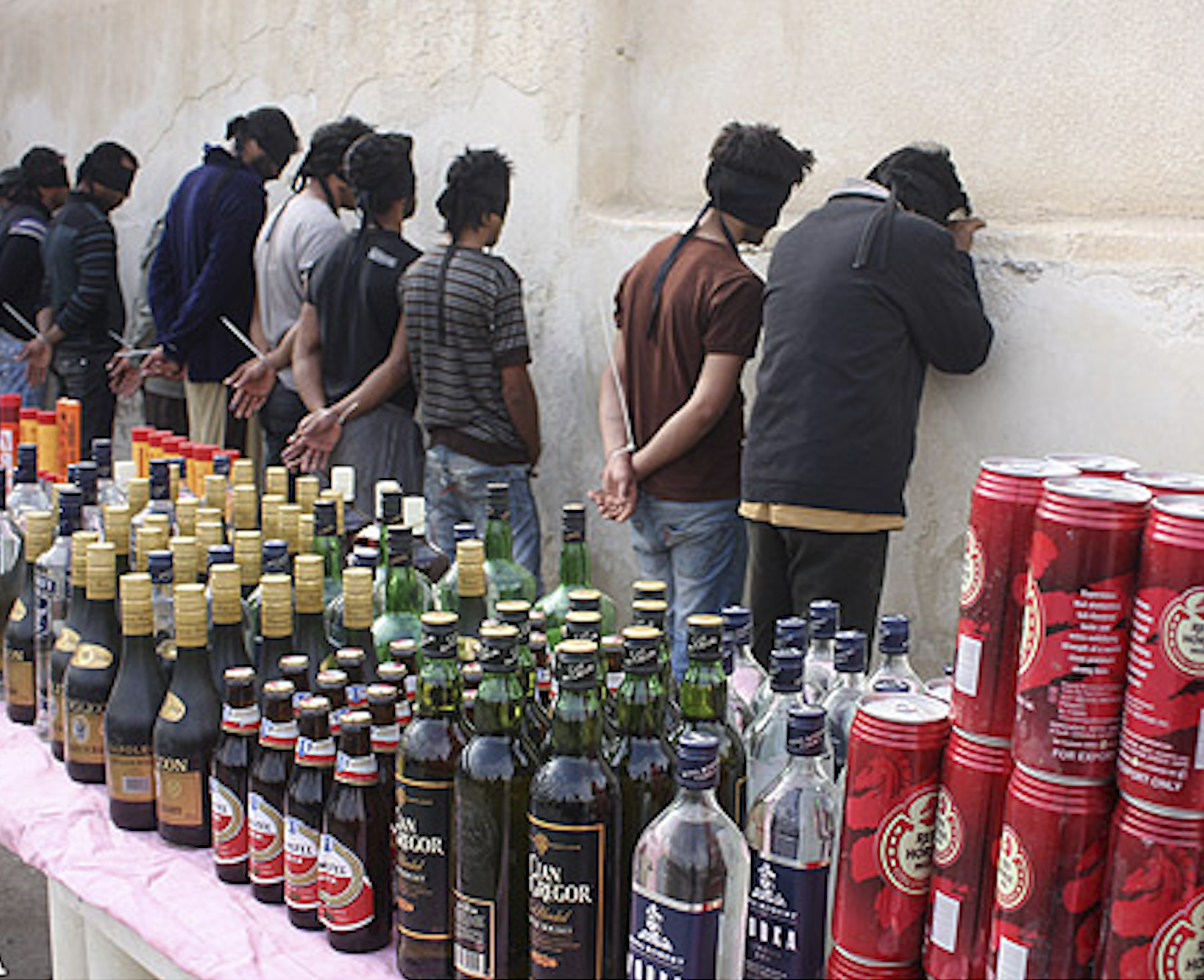
For almost half a century, wine in Iran belonged to those things that officially did not exist. The Islamic Revolution put an end to a wine culture thousands of years old in 1979. What had long been taken for granted did not disappear from the cellars, but from public life. People drank nevertheless. Everyone knew it. The black market flourished, home-distilled spirits circulated throughout the country, and smuggled bottles discreetly changed hands. Some members of the Revolutionary Guard are also said to have profited from these markets. The state banned alcohol – and at the same time lived with its existence.
Now something seems to be shifting. Not spectacularly, but tentatively. If restaurants are at least allowed to tolerate wine or other alcoholic drinks, it changes more than just consumption. It changes public space. Wine is leaving the living rooms and returning to restaurant tables. That sounds incidental. But it is not.
Because wine in Iran was never merely a drink: Persia is home to one of the world’s oldest wine cultures. Long before Europe developed its great wine regions, wine was already being produced between the Zagros Mountains and the Caspian Sea. Persian poetry is full of wine. Hafez and Omar Khayyām wrote about it, sometimes in religiously coded terms, often with remarkable directness. Wine stood for joie de vivre, knowledge and freedom. Historically speaking, the fact that this country banished it from public life for almost fifty years was the exception rather than the rule. But precisely the rule in ultra-Islamic countries.
Of course, no major wine industry will return tomorrow as a result. The legal foundations and economic conditions do not yet exist. But the prerequisites would be surprisingly good. Millions of vines are already growing in the country. Iran is one of the significant producers of table grapes and raisins. The owners, many of them former winegrowers, know their soils. The climatic conditions in many regions are ideally suited to high-quality viticulture. There are no insurmountable worlds between a grape economy and a small wine economy. Cellar technology can be bought. So can know-how. The only thing missing is political permission.
It cannot be ruled out that a development is now beginning there that we are underestimating. Not with grand châteaux or prestigious labels. But with simple table wines. With restaurants that are once again allowed to pour their guests a glass to accompany their meal. With winegrowers who, alongside table grapes, are permitted to make wine again for the first time. A new Iranian wine culture would probably begin on a small scale. And for that very reason, credibly. It certainly will not be allowed to become truly big by the hardcore Islamist regime.
Perhaps the politicians will also discover something that rulers have known for centuries. Wine can reconcile. Not as a narcotic, but as a cultural practice. Those who eat and drink together argue differently. Those who sit in a restaurant are not sitting in the street. The Roman expression about bread and circuses takes on a new variation here: perhaps sometimes a single glass of the wine banned for decades is enough.
That sounds cynical. But it is not necessarily so. States have always tried to defuse social tensions through culture and everyday life as well. Cafés, theatres, football – or restaurants, for that matter. Wine could genuinely lead to a small measure of social relaxation in Iran. Not as the greatest of all freedoms. But perhaps as its harbinger.
And that is precisely why it is worth paying attention to this inconspicuous subordinate clause. Not because a Rhône-style Shiraz will be coming from Persia tomorrow. But because a society often begins to change where it is once again allowed to eat, drink and talk together. It is astonishing that the Revolutionary Guard now in power (the mullahs have lost influence) is allowing this development. But money is probably tight there too. And the terror brigade is looking for new sources of income. Even if that means alcohol and the black market, which perhaps will not remain one.