(Editorial team)
The 2025 German wine harvest is small. Very small. At 7.3 million hectolitres, it is at its lowest level for 15 years. The German Wine Institute states the figures matter-of-factly, almost in passing – and yet this report holds more promise for the future than the industry might care to admit.
For what is emerging here is not a crisis. It is a correction.
The decline as a salvation
Rheinhessen down 23 per cent, the Palatinate down 18, Baden down 15, Württemberg down 22 – it reads like a disaster report. But in truth, something is happening here that could be good for the wine world. For the first time in decades, wine is once again being produced in Germany on a scale that is defensible in terms of quality. The grapes have remained smaller, the selection process stricter, the yields lower – and that is precisely why the outlook for quality is better than it has been for a long time.
It is a paradoxical yet comforting picture: the less, the better. Wine is breathing again.
For the real problem of recent decades was not just climate change, but overproduction. A wine market that flooded itself with mediocrity whilst demand slowly eroded. The baby boomer generation is emptying its cellars; Generation Z is no longer filling them. The WHO calls alcohol a cell toxin, social media a sin, and a new, morally well-oiled anti-wine movement celebrates itself as the guardian of reason.
The right harvest at the right time
Amidst this turmoil, the small 2025 vintage comes as a quiet blessing. It forces the wine world to reflect, not to whinge. For when less wine is produced, individual wines can once again matter. The mass market is disappearing – and with it those industrial quantities that have long since ceased to tell a story, serving only to boost sales.
Perhaps the future of wine lies precisely here: in downsizing. In conscious reduction. In a return to balance, character and clarity.
Perhaps viticulture has been too euphoric in its ambitions – too much land, too much market, too much marketing. Now that the world wants less, it can reflect once more. A poor harvest is not the end; it is a pause. Nature is forcing the industry to do what it has itself forgotten how to do.
The new humility
The coming years will show that viticulture will only survive if it becomes scarce and of high quality once more. The mass-produced wine that has been circulating on discount shelves or under lifestyle labels in recent years will be the first to disappear – and that is a good thing. These wines had long been part of a system that no longer served anyone: not the winegrowers, not the soil, not the wine drinkers.
What remains are the regions with soul. The places where wine is still made by people, not by machines. Where grapes are picked, not harvested.
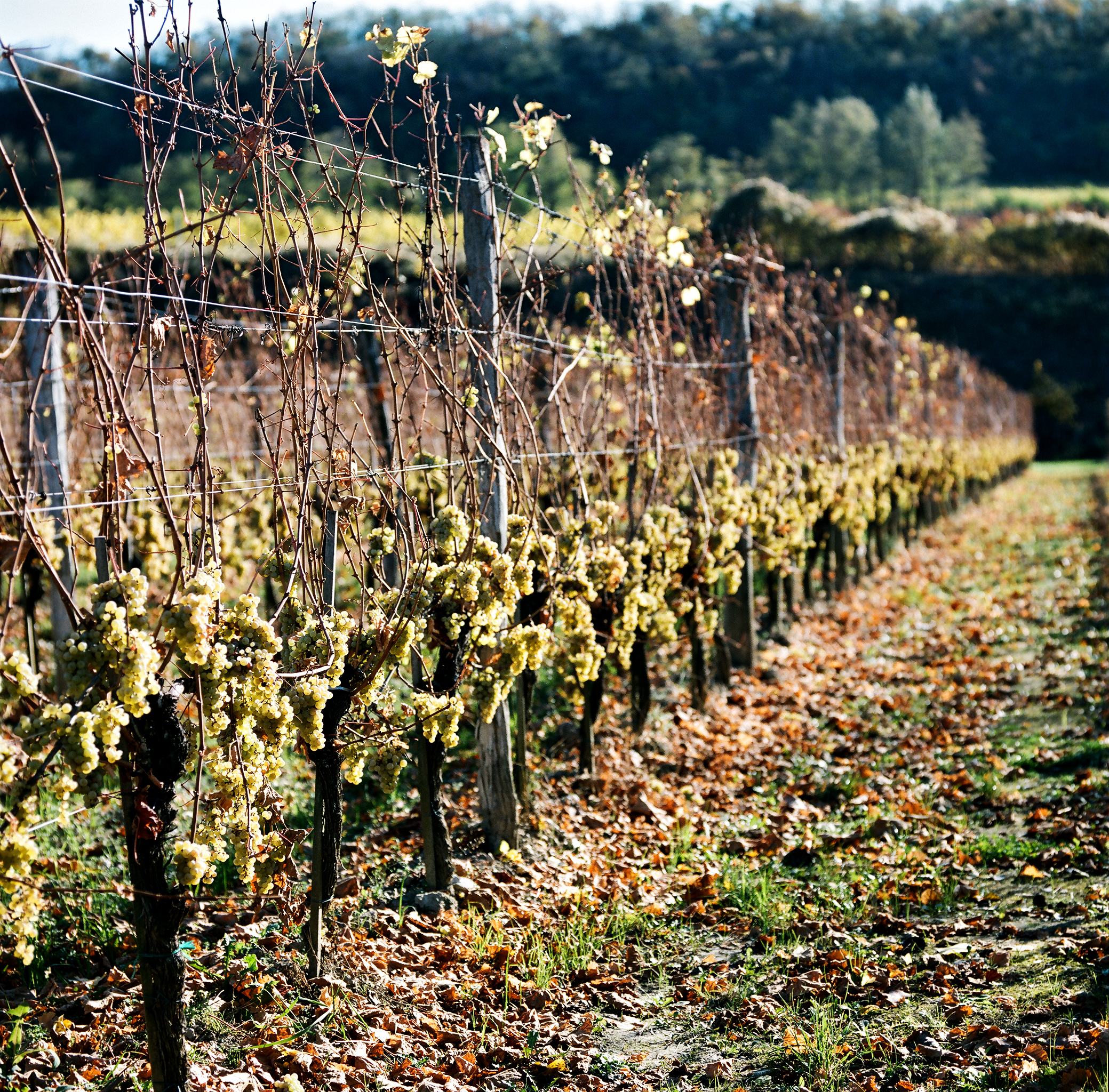
The fact that in 2025 the grapes were smaller, more aromatic and denser is nature’s fortuitous response to a market that has overextended itself. Quality emerges when quantity ceases.
The end of excess
Of course, there will be losers. Those who relied on mass production will not be able to shake it off. Those who produced on a large scale now face consumer behaviour that leaves no room for surplus. But the wine that survives will be the better wine.
That sounds harsh – but it’s the truth. The decline in yields is not a sign of decline, but a cleansing process. Just as a vine sprouts more vigorously after pruning, so too can an industry become healthier after a shock.
Fewer grapes, greater concentration. Fewer bottles, greater terroir. Less fuss, more meaning.
The virtue of moderation
Perhaps one day we will look back on the year 2025 and say: that was the moment when wine reinvented itself. Not through trends, not through technology, but through necessity.
For wine has always been at its finest when it was in short supply. In times of abundance, it loses its soul – in times of restraint, it rediscovers it.
The fact that there is now less in the cellar is not bad news. It is the return of reason to an industry that has believed in its own immortality for far too long.