The Wineparty

Wineparty The Wineparty
MANFRED KLIMEK
BERLIN - WELT AM SONNTAG
Regen. Der fehlt. Was hat das für den Weinbau zu bedeuten? Ein Kommentar von Gerhard Retter

Rain. It is missing. What does this mean for viticulture? A commentary by Gerhard Retter

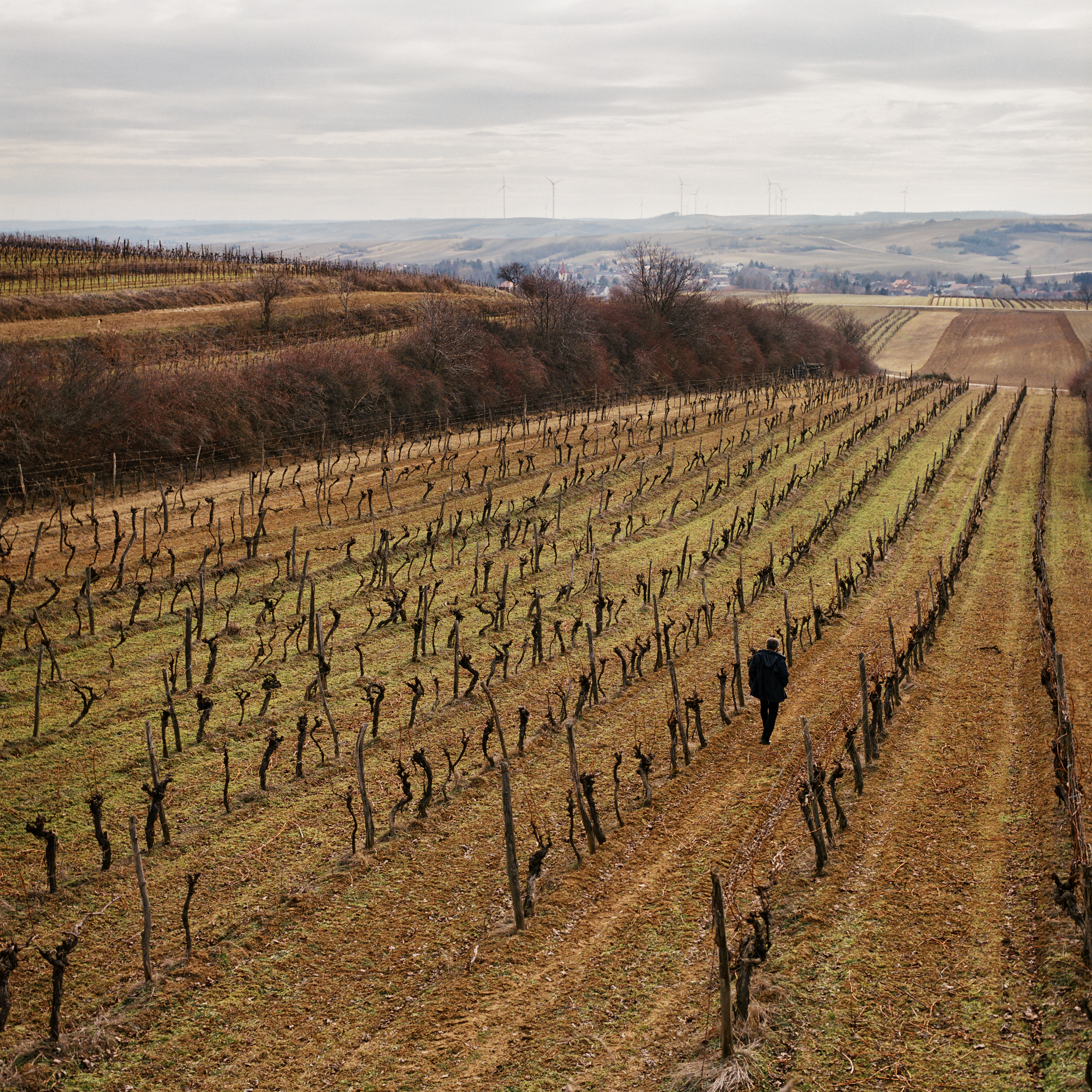
(Gerhard Retter / pic: Manfred Klimek) We talk about almost everything in wine. About soils and rocks, about slate, limestone, loess or volcanic rock. About spontaneous fermentation, large wooden casks, long periods on the lees and that famous minerality which everyone describes and nobody can really explain. We speak surprisingly rarely about water. Probably precisely because water in Central Europe Read the full article…

Lasst uns mal ans Meer fahren: die Sommerpause auf Wineparty. Und was ab 1. September hier neu sein wird.

Let’s go to the seaside: the summer break on Wineparty. And what will be new here from 1 September.

(Manfred Klimek / Editorial team / pic: royalityfree) There are always good moments to pause. For Wineparty, that moment has now arrived. As of today, we are saying goodbye for the summer break, which will last until 1 September. There will be one exception: the major wine features for WELT am SONNTAG will of course continue to appear here (above all Read the full article…

Sind alkoholarmer Wein und die Auseinandersetzung darob ein Merkmal neuer Geschlechterrollen in der Weinwelt?

Are low-alcohol wine and the debate surrounding it a feature of new gender roles in the wine world?

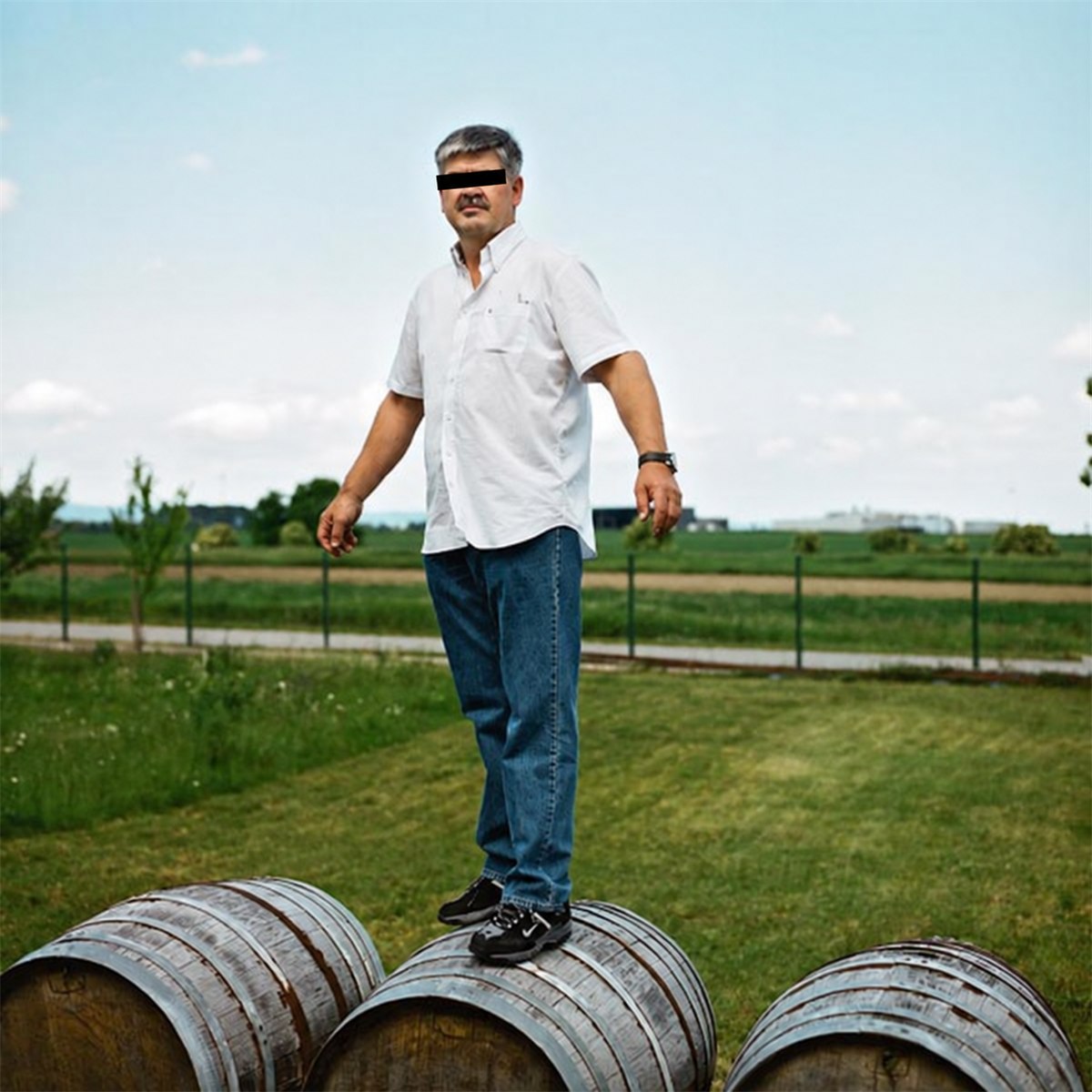
(Manfred Klimek / Photo: Thomas Schwarz, Kloster am Spitz – a man of modernity) It is noticeable. Not scientifically – that remains to be seen. Not representative. But noticeable enough to think about. Whenever I write about low-alcohol or dealcoholised wines, the sharpest objections come almost exclusively from men. Mostly from my generation. Sometimes somewhat Read the full article…

Markig-Gräflerland, erste Klappe! Männer steht für Blankenhorn

Markgräflerland, first take! Männers stands for Blankenhorn

(Manfred Klimek / WELT am SONNTAG) German wine drinkers know their traditionally valuable wine-growing regions: the Moselle, the Rheingau, the Roter Hang in Rheinhessen, the expansive and multidiverse Palatinate, the beautiful slopes near Radebeul outside Dresden, and, to some extent, Baden too – above all the huge Kaiserstuhl vineyard hill. Yet deep in Germany’s deepest south-west, not Read the full article…

In den Keller Keller holen: Vier Jahrgänge “Von der Fels”

Bring Keller down to the cellar: Four vintages of “Von der Fels”

(Claude Auguste / pic: Sansibar Sylt) Klaus Peter Keller is one of the great wonders of German winegrowing. Not solely because he makes magnificent Rieslings – others do that too – but because, of all places, he established bottle prices in Rheinhessen that previously seemed conceivable only in Burgundy. Rheinhessen, for a long time synonymous with quantity, Liebfraumilch and agreeably unremarkable Read the full article…

Vision in der Krise: Wie der angeschlagene Weinbau 2027 wieder Fahrt aufnehmen könnte

Vision in crisis: How struggling winegrowing could get moving again in 2027

(Manfred Klimek, text & photo) Winegrowing has suddenly regained a future that hardly anyone would have thought possible a few months ago. The very technology that many winegrowers quite rightly viewed with scepticism for a long time is opening up what may be the industry’s greatest opportunity since the introduction of temperature-controlled fermentation. It is not dealcoholisation itself that is meant. What is meant is the Read the full article…

Load more